
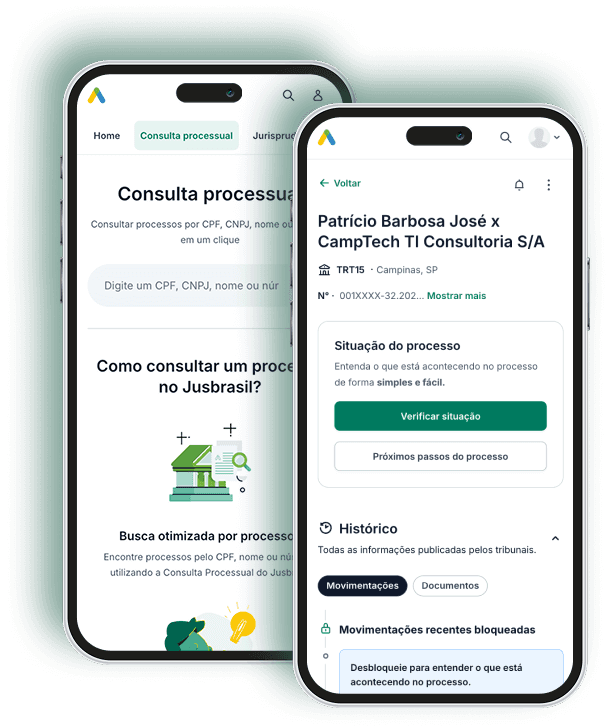


Jusbrasil is a high-scale, multi-sided platform with over 30 million monthly users, operating subscription products across B2C and B2B segments.
For litigants, the platform often represents legal uncertainty under emotional stress. For legal professionals, it is a daily work tool where reliability and clarity directly impact productivity and credibility.
In both cases, trust is structural.
At this scale, small gaps in pricing clarity, access expectations or billing logic quickly translate into churn, support load, disputes and reputational risk.

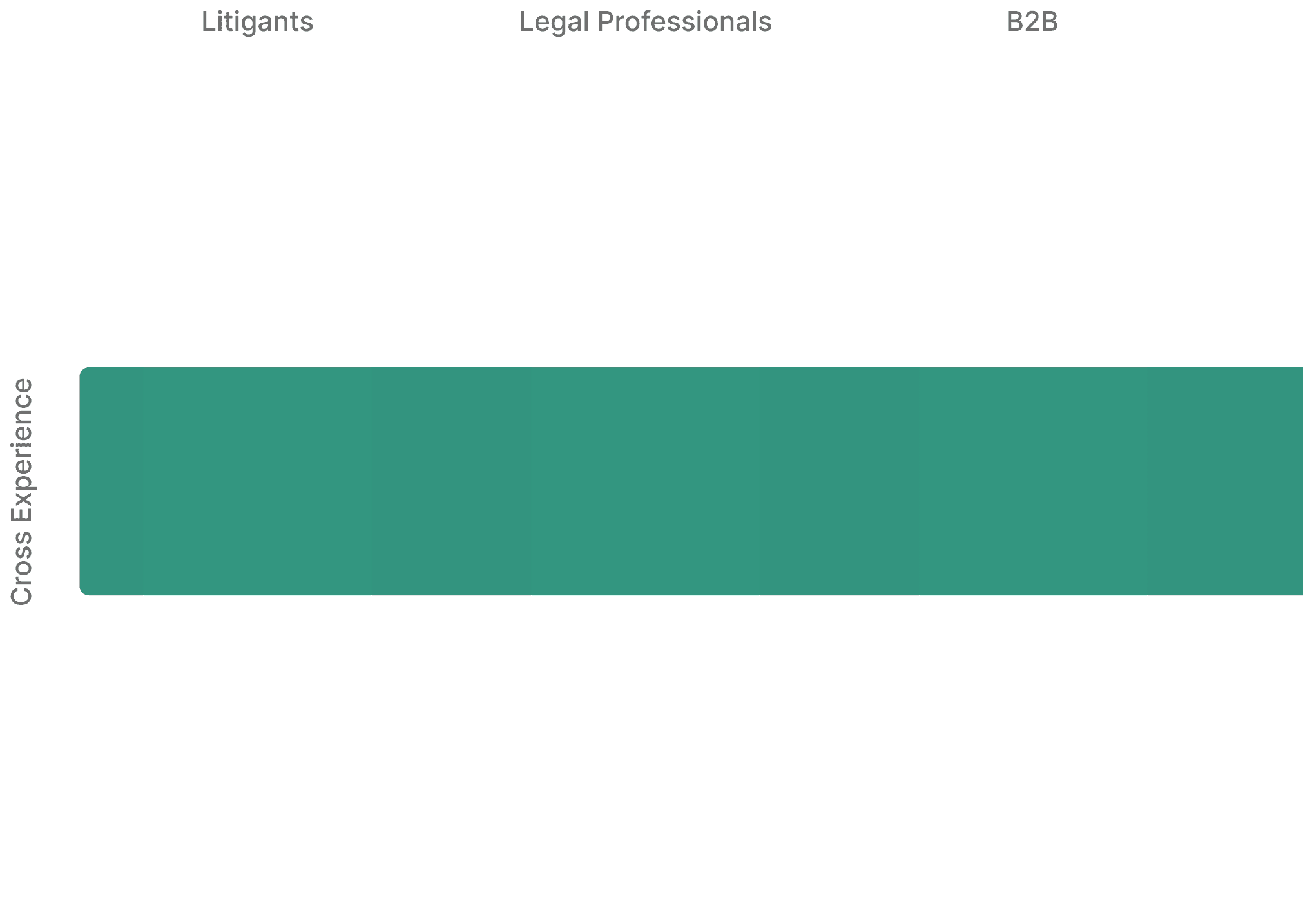
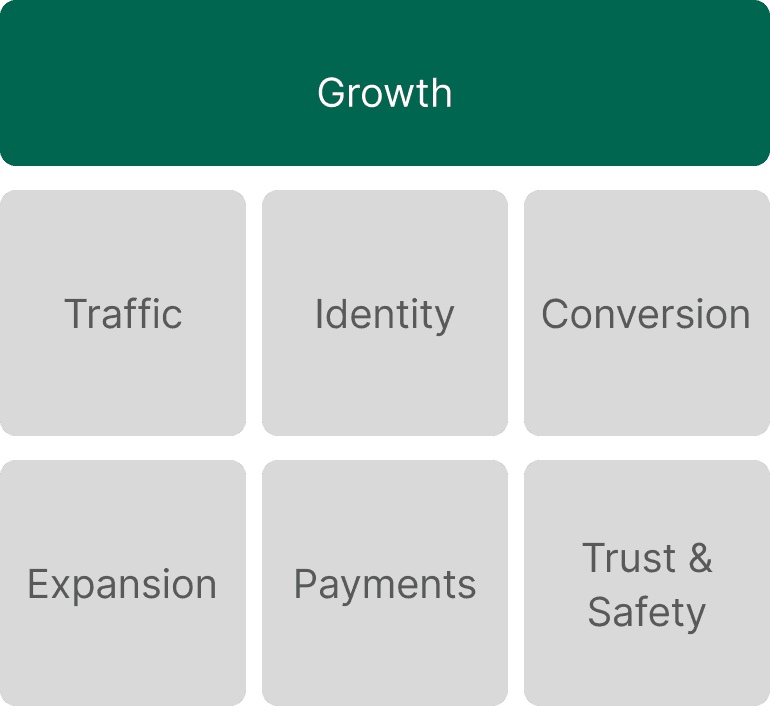
I joined Cross Experience as Product Design Manager, leading design across transversal growth journeys — traffic, identity, conversion, expansion, billing and trust.
The area sat between business units, engineering and CX, operating across B2C and B2B subscription models. Its mandate was broad, but its strategic influence was limited.
My responsibility extended beyond delivery. I was accountable for elevating how decisions were framed across journeys, aligning design with product, data and CX, and building a team capable of operating at a higher strategic level.
THE PROBLEM
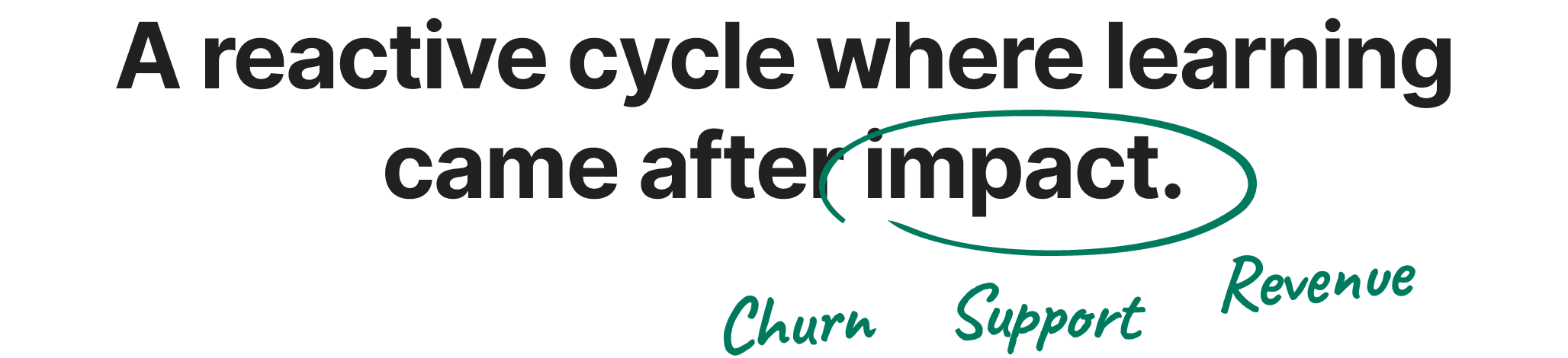
Cross Experience operated as a reactive unit. Signals from support, churn and billing disputes were analyzed only after they escalated. Decisions were fragmented by flow, and strategic ownership over growth journeys was unclear.
This wasn’t a UX issue. It was an operating model issue.
To move beyond reactive firefighting, we implemented a formal organizational restructuring across the growth domain.
In partnership with my peers, I led the design dimension of this shift — redefining scope, clarifying accountability and realigning Cross Experience around acquisition and monetization journeys.
Vertical business units focused on core product evolution and retention, while Cross Experience assumed responsibility for value capture and lifecycle risk.
This structural change reduced priority conflicts, clarified decision rights, and created the conditions for anticipatory growth management.

The structural shift alone was not enough. Design needed to operate differently within this new model.
Previously, design was often engaged after priorities were defined: refining flows, clarifying interfaces, reacting to incidents.
Within the new growth structure, design moved upstream. It became responsible for:
Framing problems before solutioning
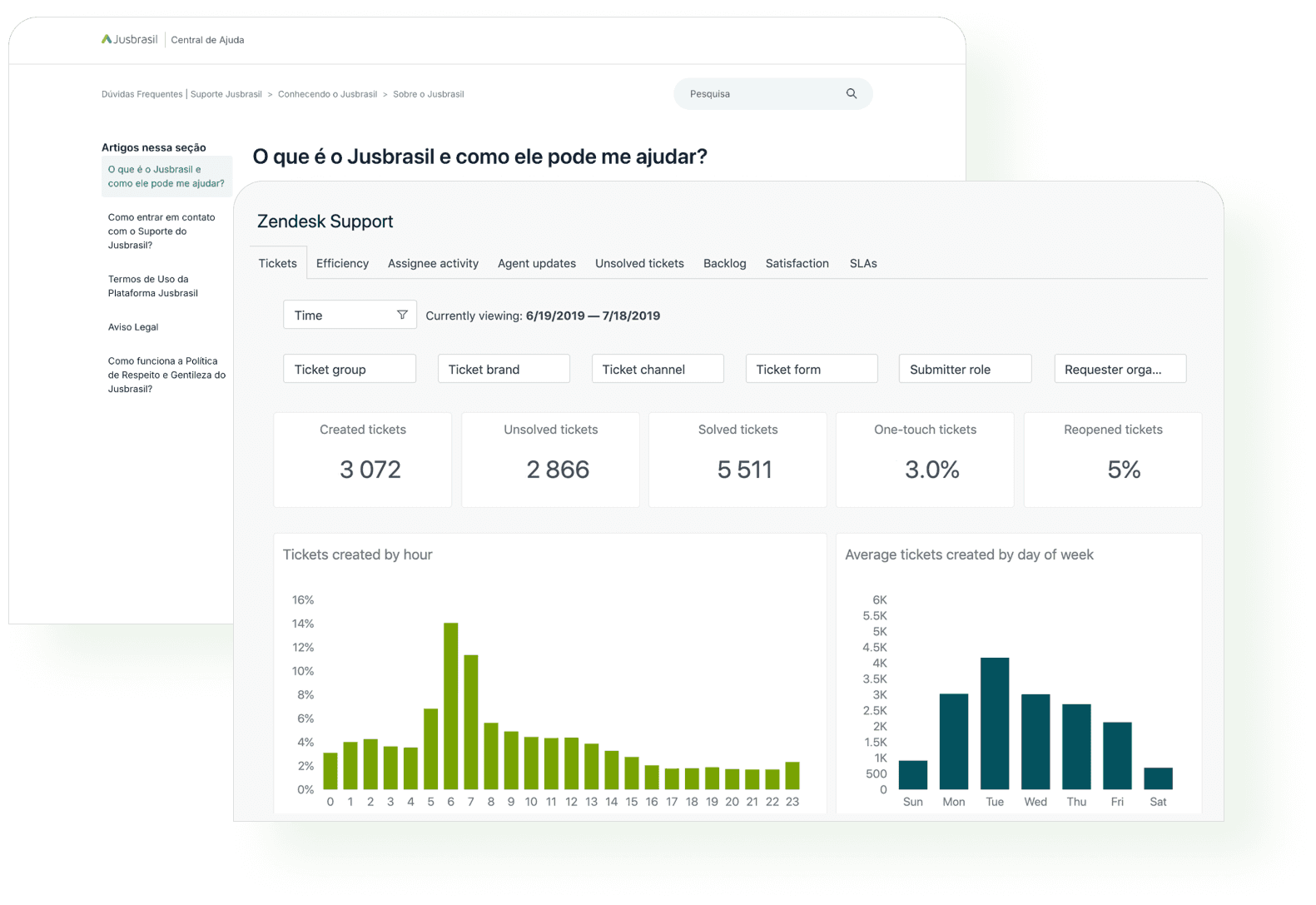
Integrating signals from support, research and data
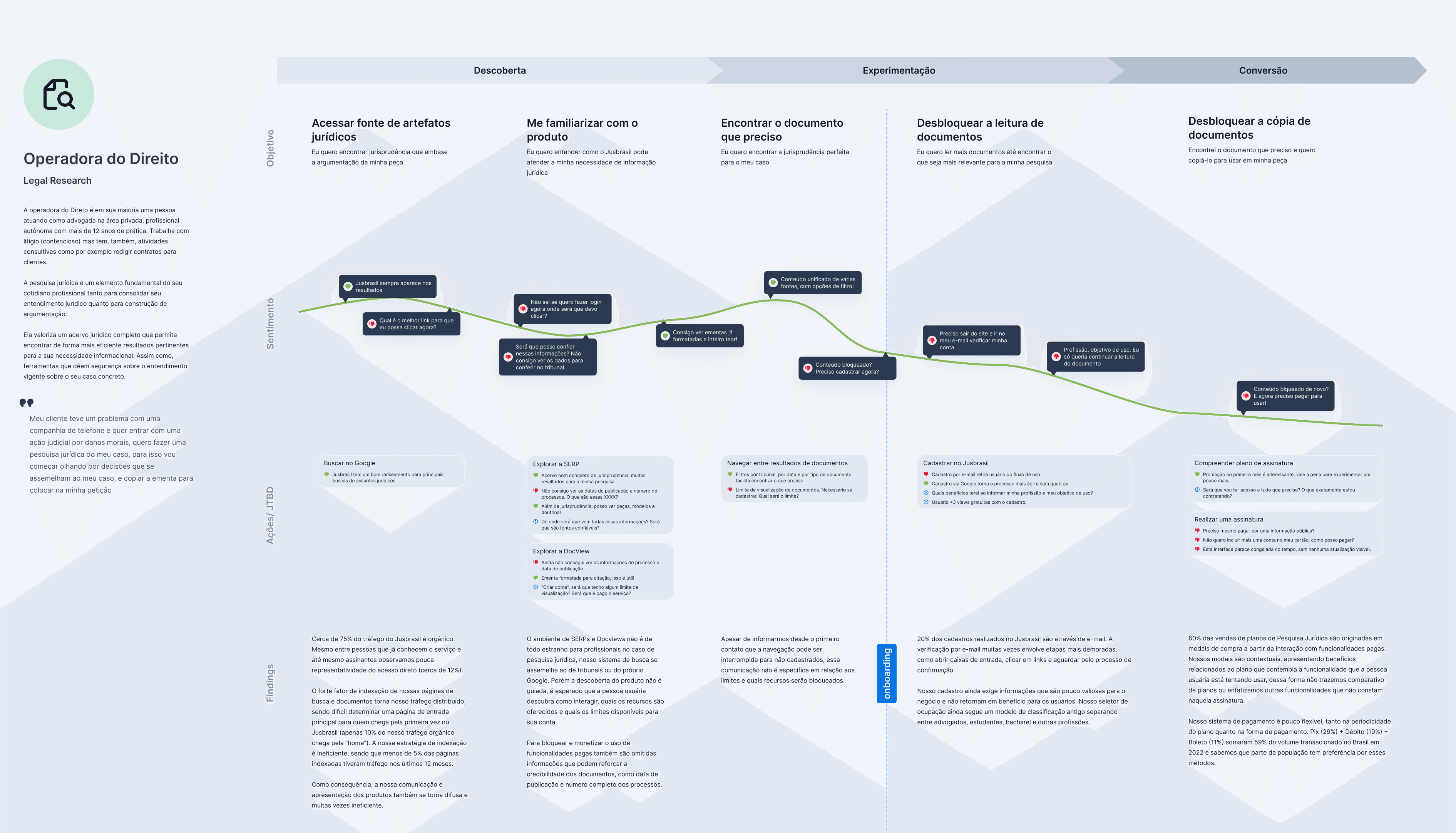
Making trade-offs visible across journeys
Anticipating risk before implementation
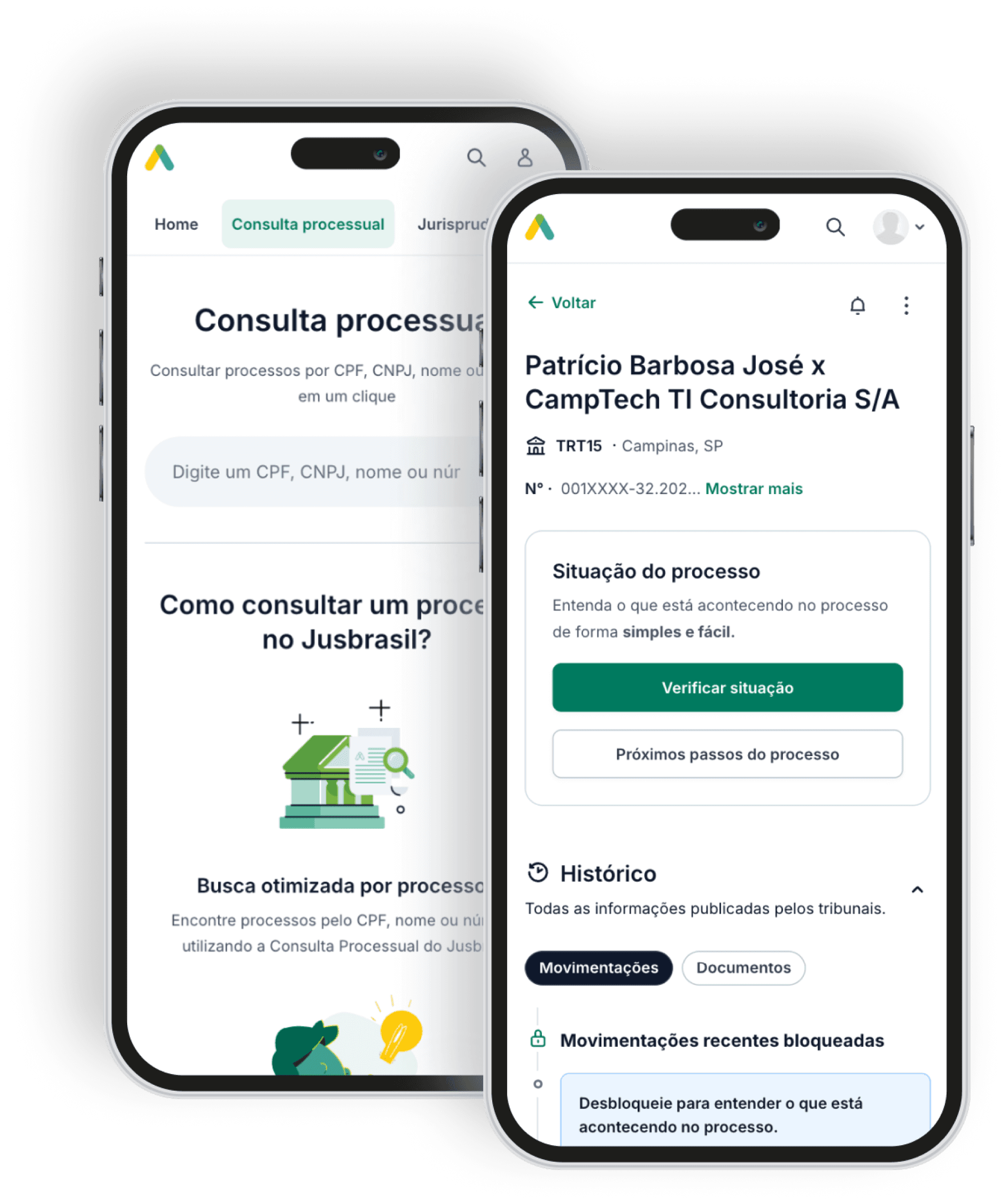
This shift was operationalized through a set of shared mechanisms.

Enabling the team to operate at a higher level
The structural shift required more than new processes.
It required a different operating level from the design team.
I focused on three pillars:
Business context, metrics and expected impact were made explicit.
Active bridges with PMs, Engineering and key stakeholders.
Clarity on cross-team dependencies and downstream impact.

Decision-making distributed within clear risk and accountability boundaries.
Designers leading discovery and early solution framing.
Reduced dependency on chapter-level approval to move forward.
Impact communicated by journey performance, not deliverables.
Trade-offs made explicit in stakeholder discussions.
Learnings shared across teams to increase organizational alignment.
KEY INITIATIVE 01
Communication as risk prevention
Problem
Expectation gaps were the main source of billing disputes and early churn.
Communication was concentrated at escalation points — not before financial decisions.
Support volume was a lagging signal of misaligned expectations.
The decision
Instead of isolated messages, communication was redesigned as a lifecycle system — operating before, during and after key financial decisions.
Its objective shifted from informing to preventing cognitive errors.
Lifecycle communication framework

From messages to system
Instead of isolated emails, communication was structured as a modular system. Reusable components enabled continuous iteration without engineering dependency, giving CX autonomy to test and refine messaging before scale.
Testing before scale
Communication variations were tested by cohort and usage context. Scaling decisions were guided by real impact signals — ticket volume, early churn and activation.
RESULTS
Measured impact
↓ 15%
churn in the first billing cycle
↓ 29%
subscription-related tickets
↑ 14 p.p.
in NPS related to clarity and transparency
* 6 months post-rollout (new subscriber cohorts, N > 30k messages)
KEY INITIATIVE 02
Problem
Improved communication reduced surprise and billing friction.
But it also exposed structural limitations in the payment infrastructure.
The system could not fully sustain the clarity we were promising users.
The checkout was tightly coupled to a legacy stack.
It offered limited flexibility for different audiences and subscription models. Technical constraints were blocking product evolution.
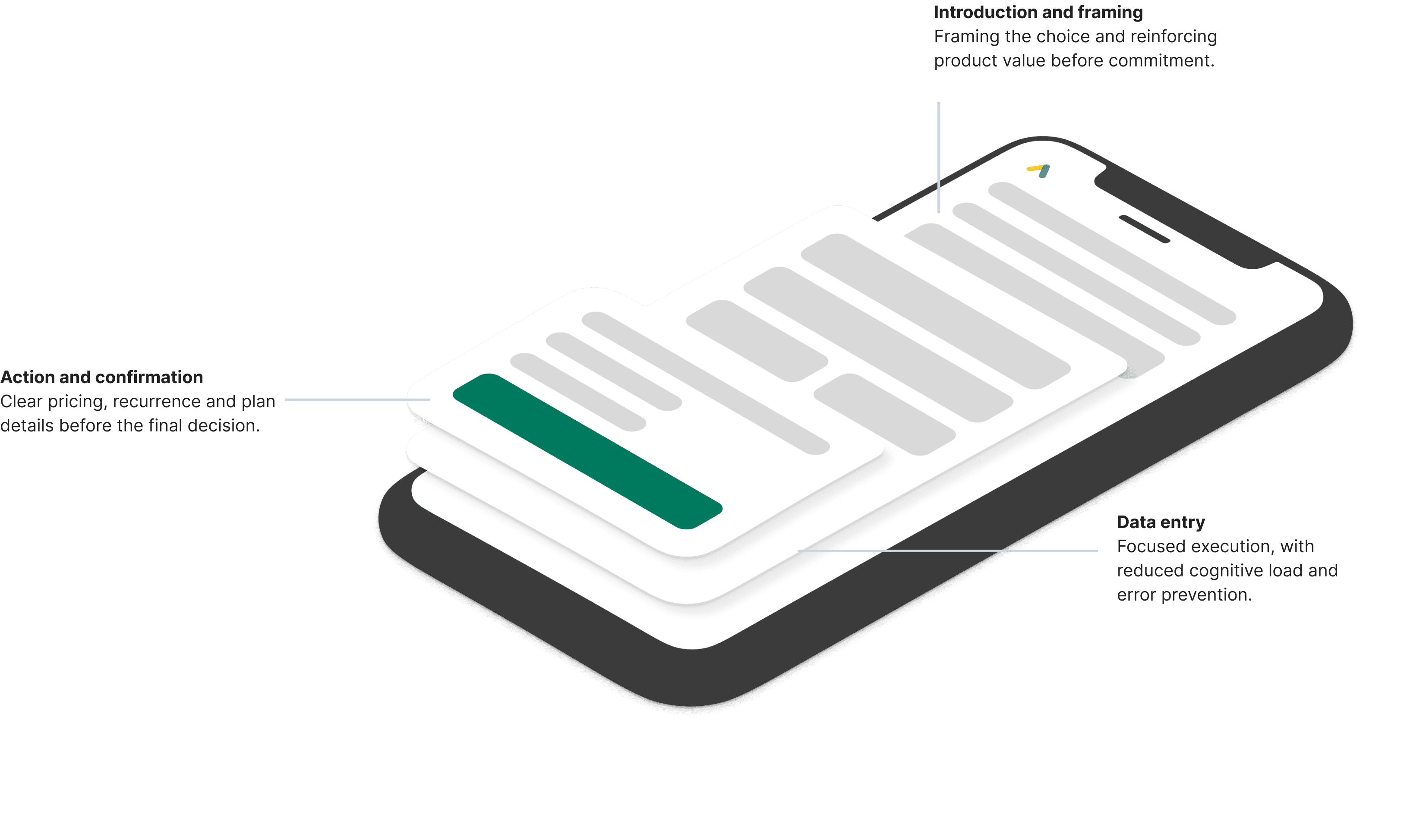
Enabling Flexibility
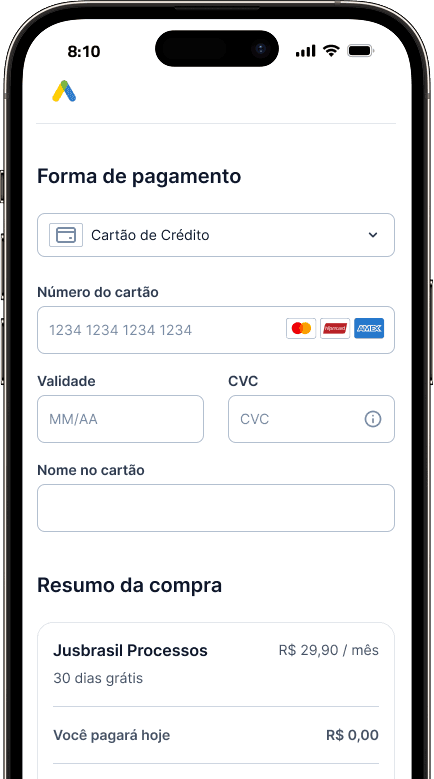
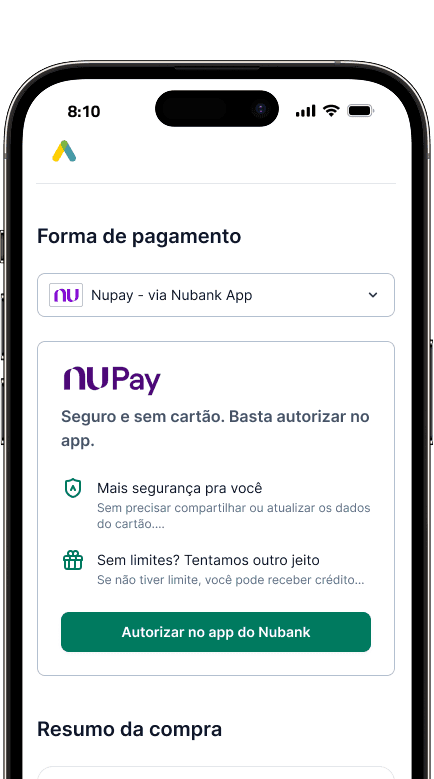
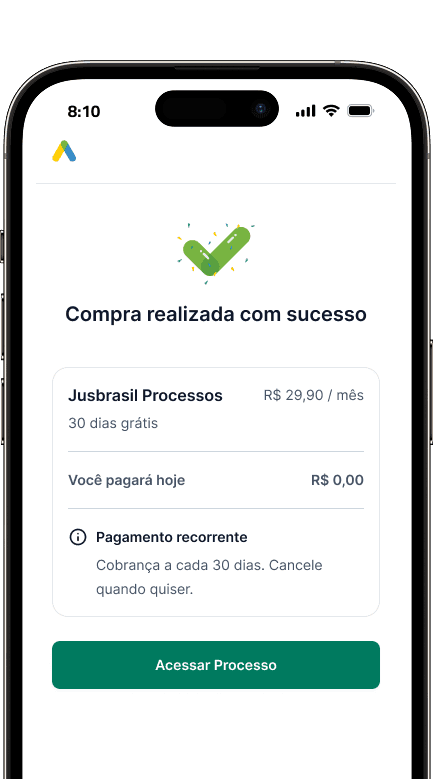
The new structure enabled multiple payment methods — credit card, Nupay, Pix Automático — while preserving clarity of recurring terms.
Payment options were integrated without increasing cognitive load.

↑ 12%
checkout completion rate
18%
payments via Pix in the first month
↓ 33%
fraudulent card tests
Design beyond interfaces
This initiative reinforced the role of design as a connector between user intent, business goals, and technical feasibility. By addressing structural barriers rather than surface-level experience issues, design helped unlock growth while maintaining a consistent and trustworthy product experience.