Stoodi was scaling its core learning product during a period of rapid growth and organizational transformation, serving high school students preparing for Brazil’s university entrance exams (ENEM).
While adoption was strong and the product was recognized for its pedagogical value, the learning experience had not evolved at the same pace. Key flows were fragmented, the study experience lacked consistency, and decisions were often reactive to short-term demands rather than guided by a cohesive product vision.
I joined to lead design during this phase, with responsibility for the core learning experience. My role combined hands-on product design, experience strategy, and the creation of scalable design foundations to support both product and team growth.
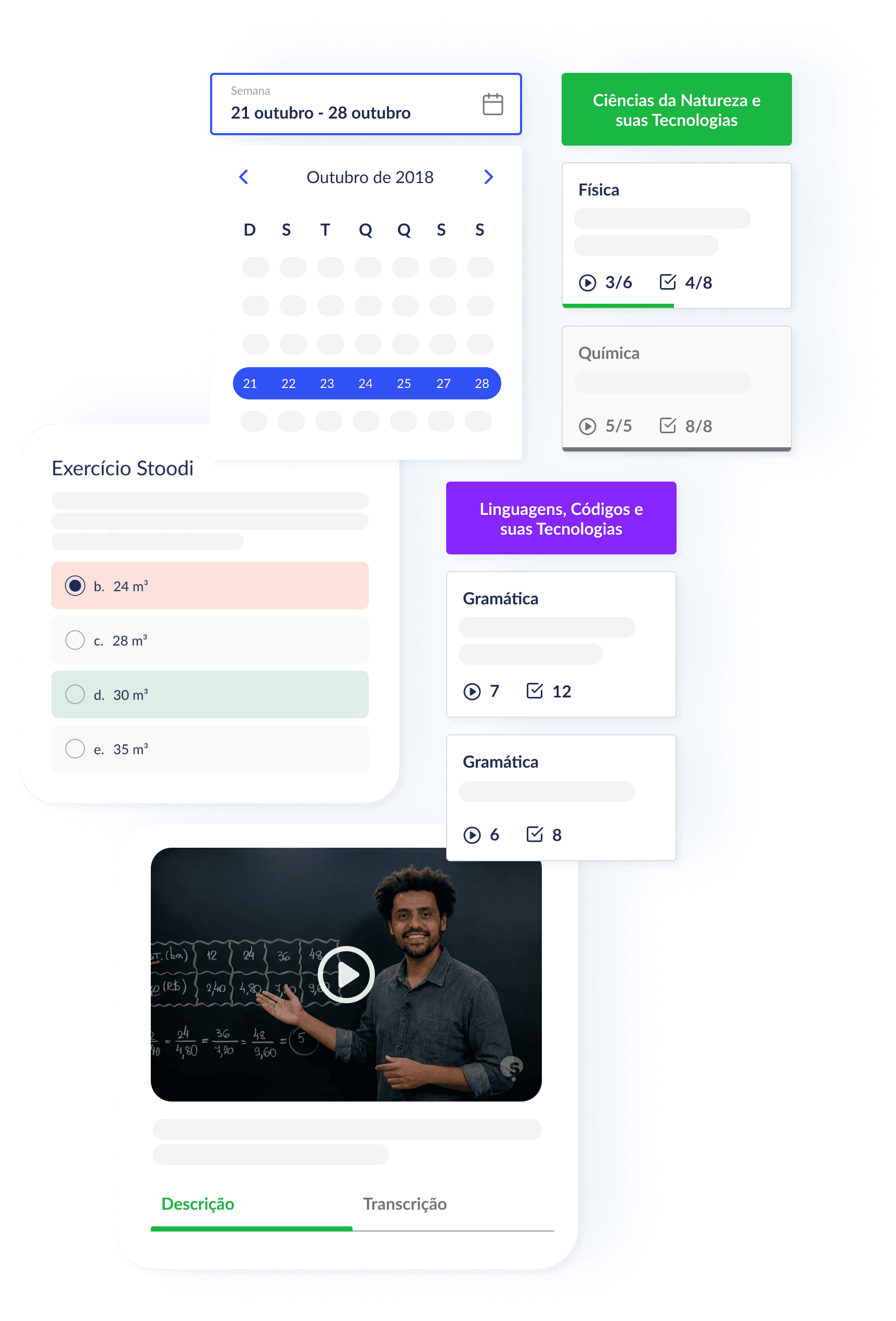
Students struggled to maintain consistent study habits throughout the school year.
While early engagement was strong, the experience lacked the structure and adaptability needed to sustain long-term motivation.
As a result, the Study Plan, a critical part of the learning journey, was underutilized and failed to drive sustained engagement and retention.
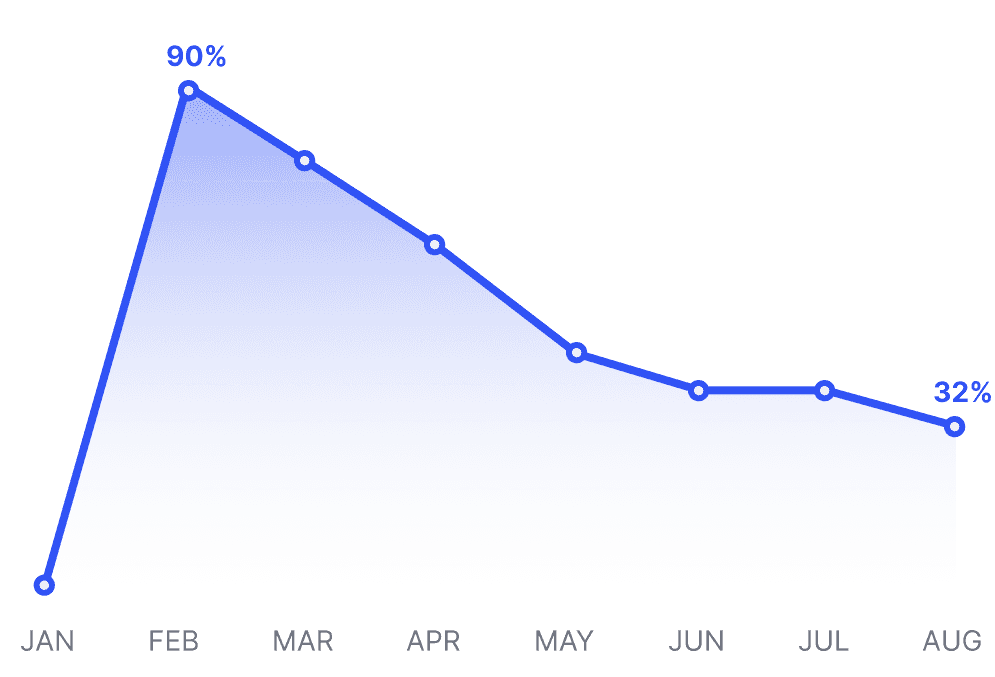
Engagement peaked early and declined steadily over time
To understand why engagement consistently dropped throughout the year, we ran a discovery phase combining quantitative and qualitative research.
The goal was to move beyond surface metrics and uncover the behavioral and emotional drivers behind student drop-off.
Quantitative responses
User interviews
Behavioral segments
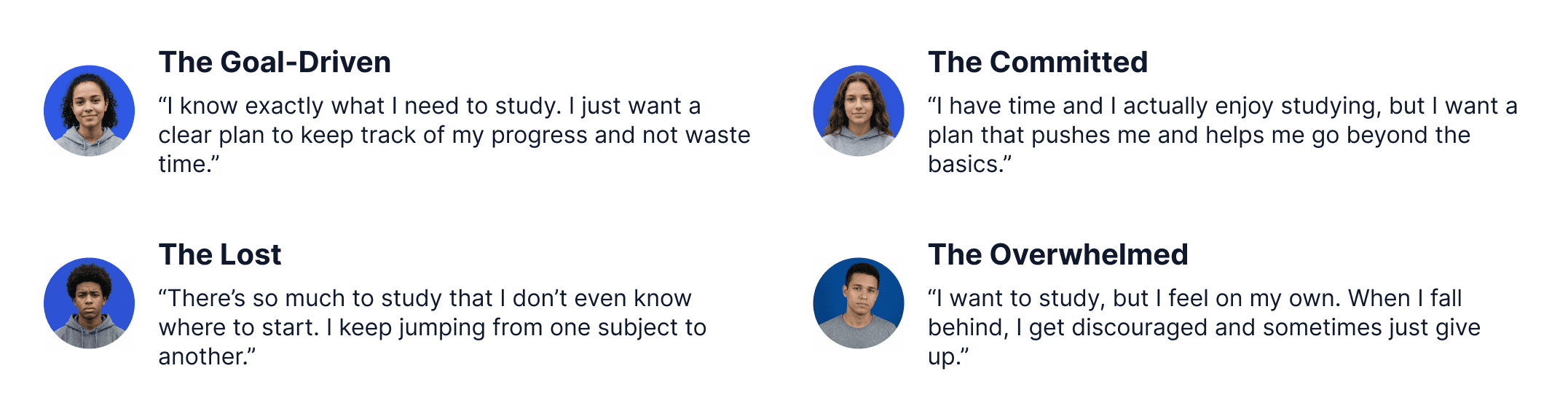
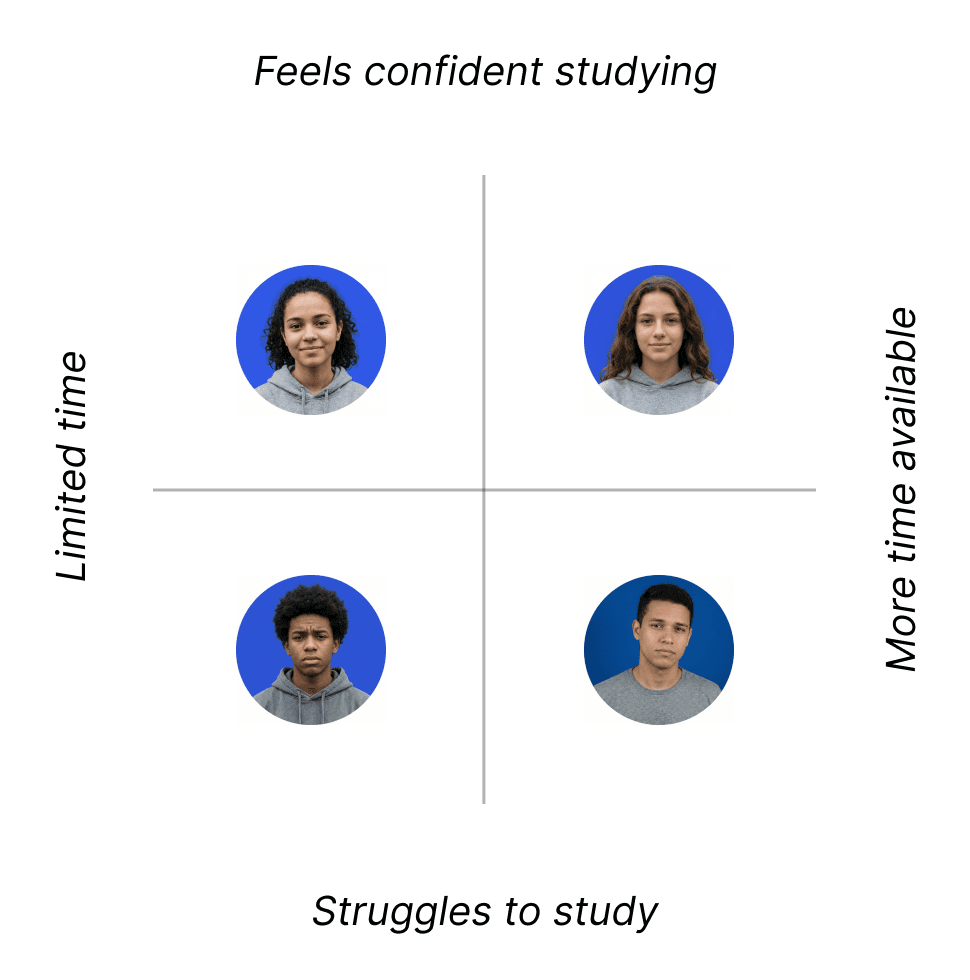
Students generally knew what they needed to study. What they struggled with was navigating the volume of content, time constraints, and available resources.
What they were actually looking for wasn’t more content, but structure, guidance, and a sense of control over their routine.
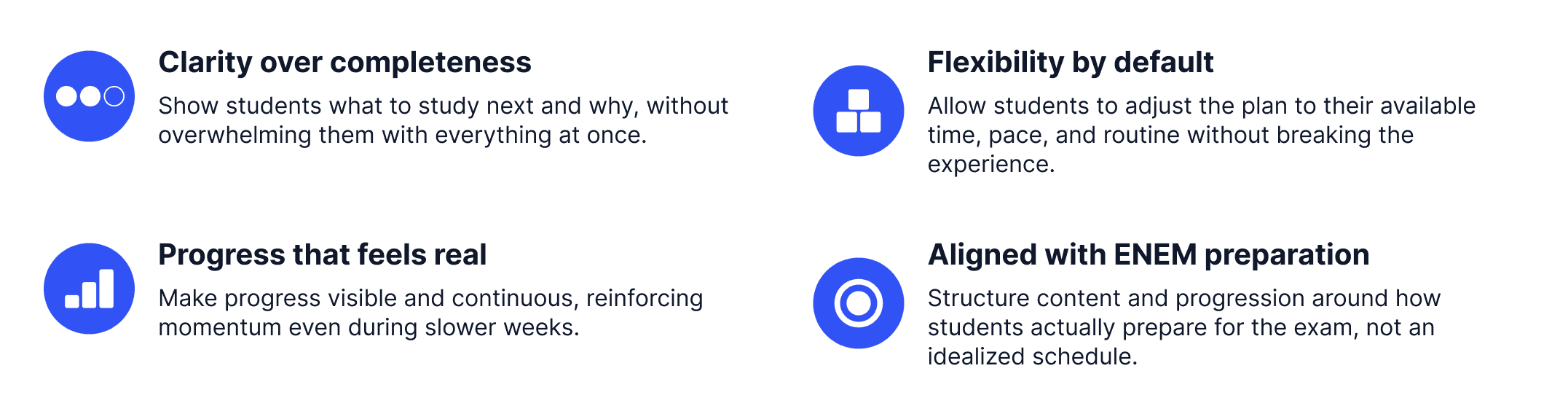
Based on the discovery insights, we repositioned the Study Plan as a core product experience, guided by clear design principles.


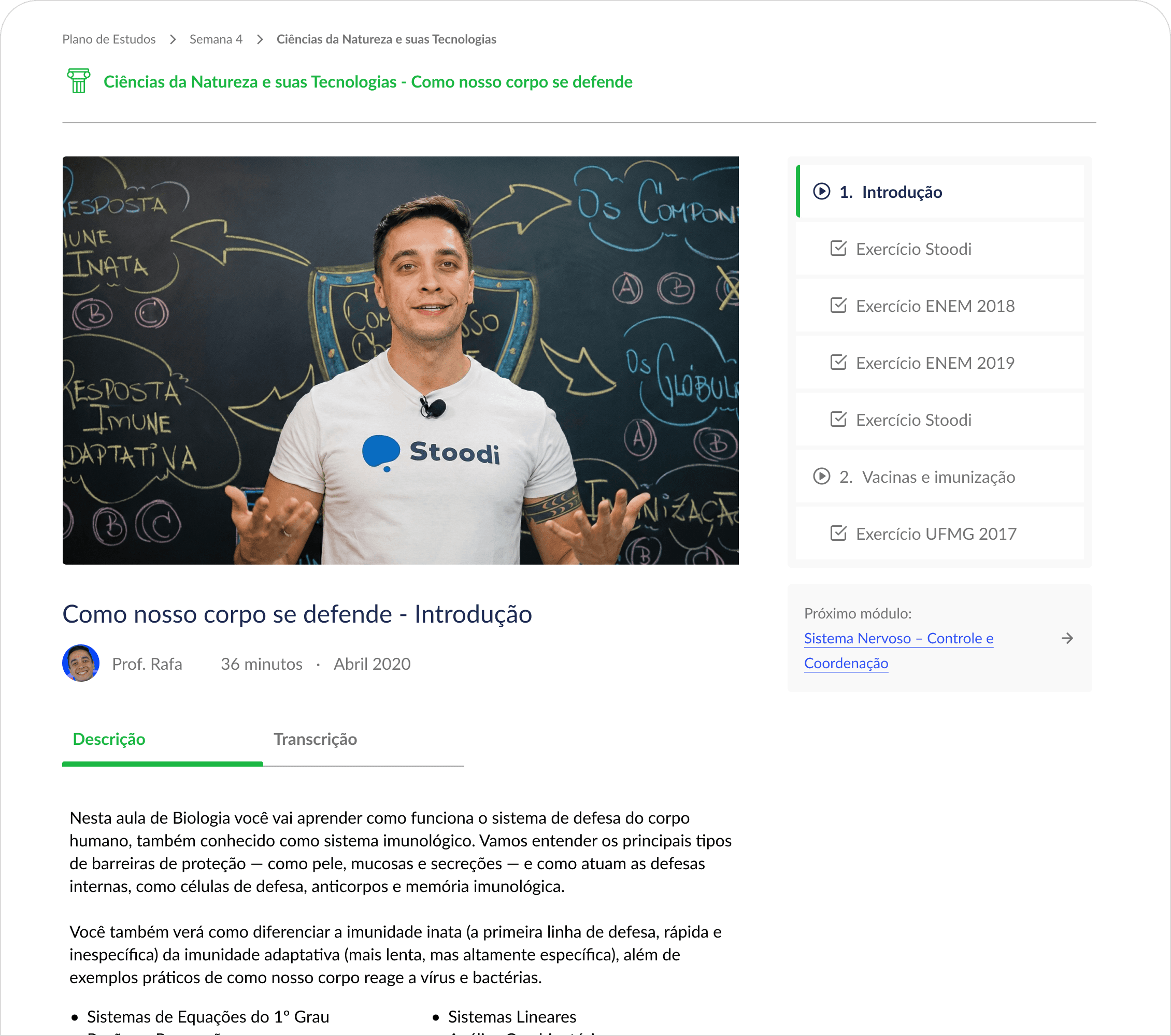
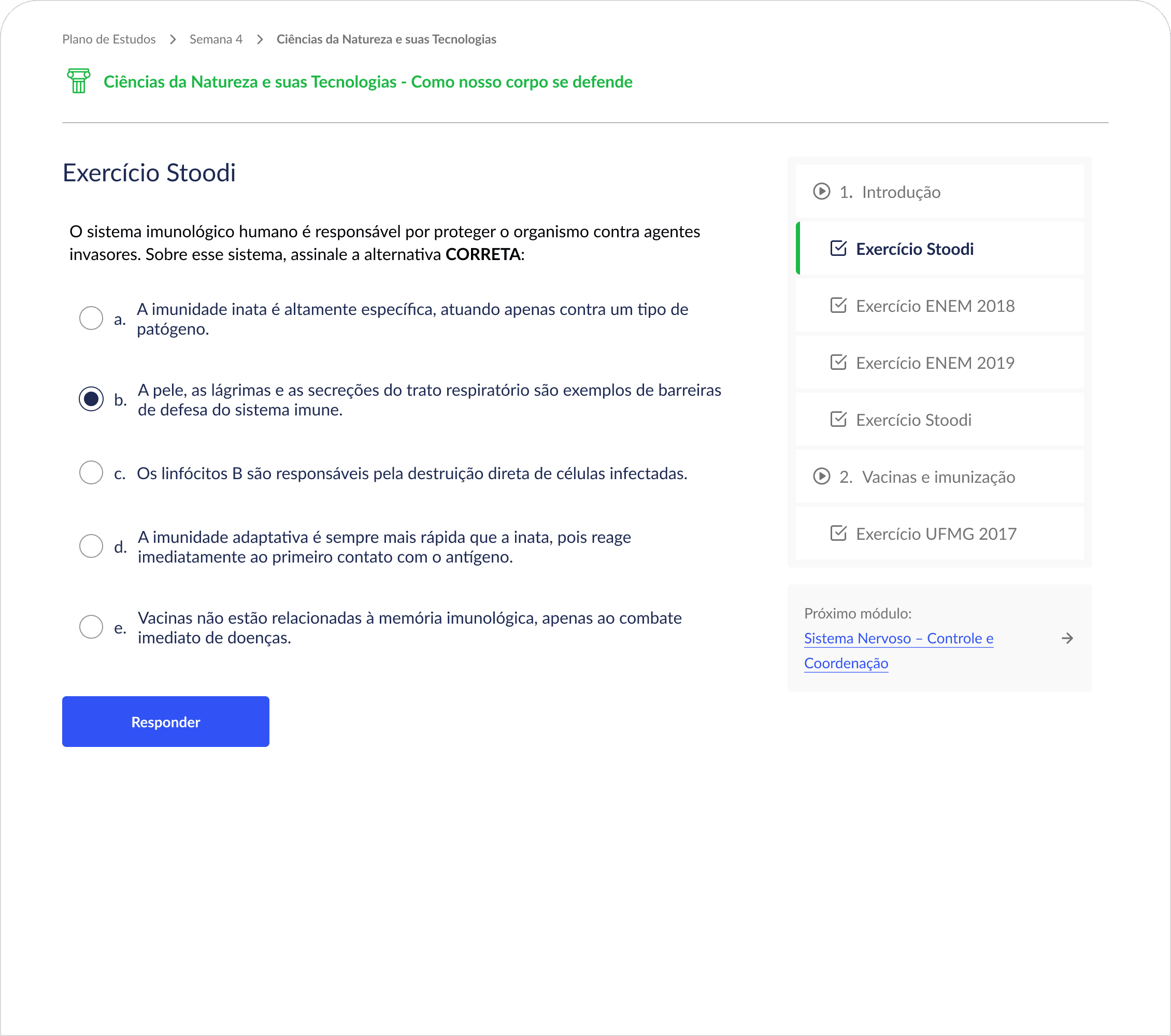
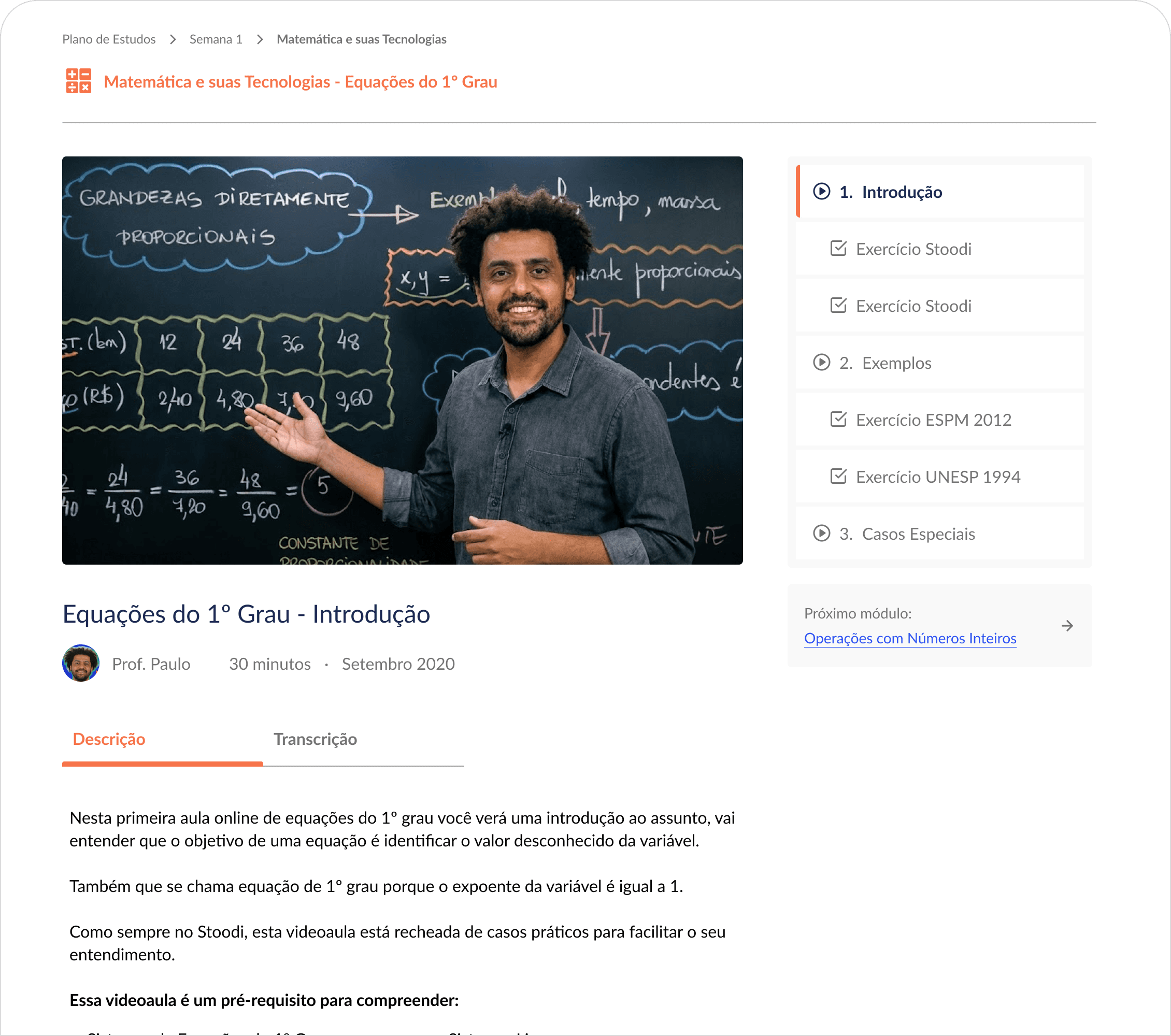
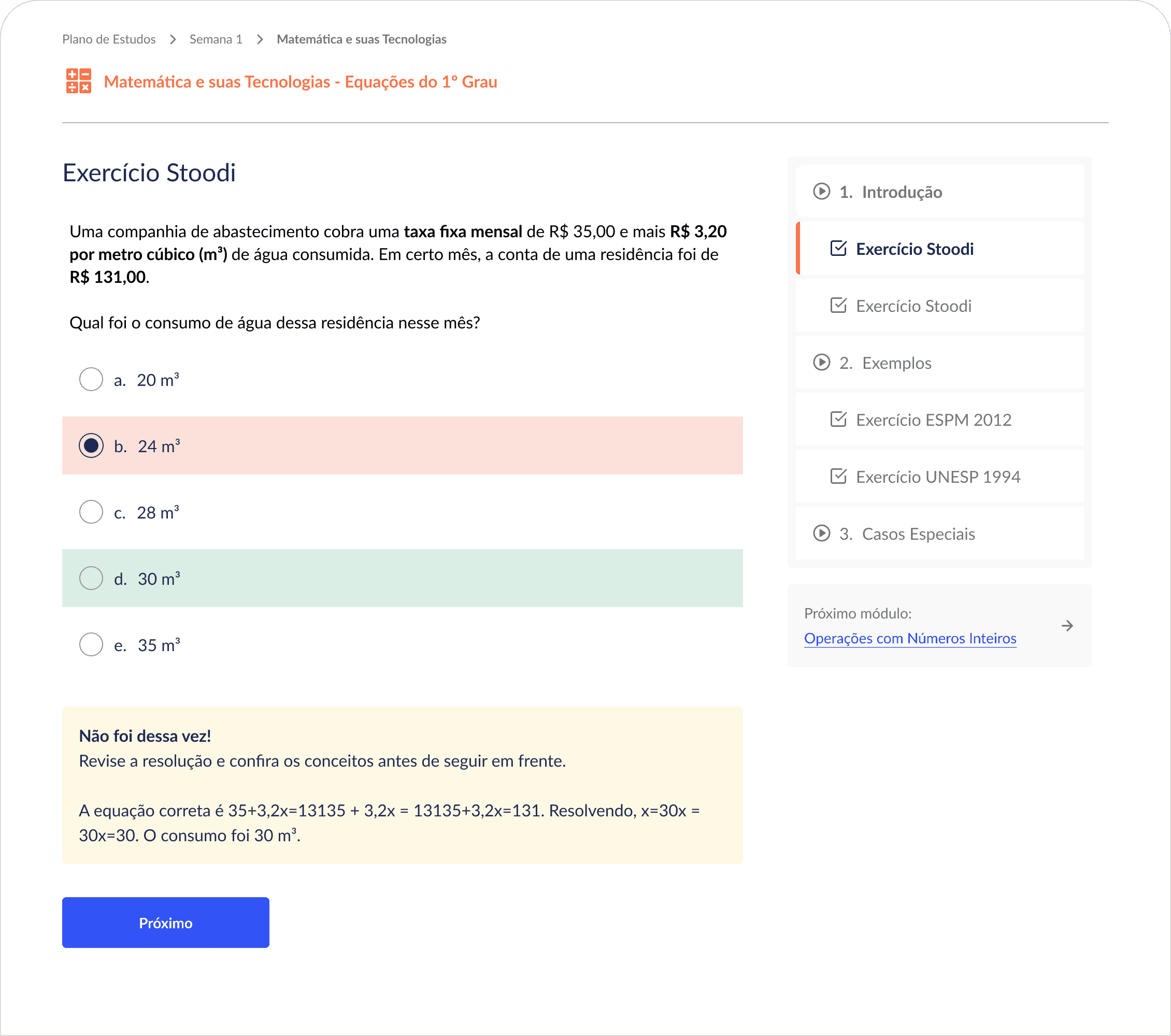
To evaluate the impact of the redesigned Study Plan, we tracked key engagement, conversion, and learning outcome metrics over time.
The goal was to understand whether turning structure into a core product capability translated into sustained usage, stronger retention, and real learning results.
Post-trial conversion
Alongside the Study Plan redesign, I focused on building the foundations to scale design as a strategic capability.
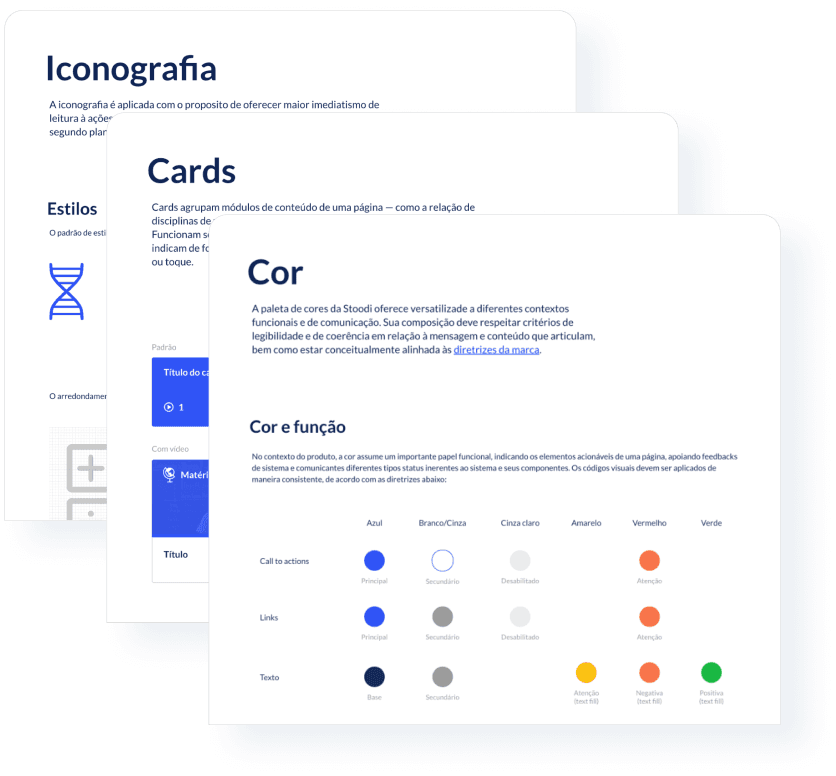
Established the initial design system to ensure consistency, speed and quality across core learning experiences, supporting scale without fragmenting the product.
Defined roles, responsibilities and working rituals that improved alignment with product and engineering, enabling clearer ownership and more effective collaboration.
Led and developed a team of 6 designers through coaching, feedback and hands-on collaboration, increasing autonomy, ownership and confidence in decision-making.